

led mirror bedroom
How to Replace Your Main Water Valve Shut Off A Step-by-Step Guide A main water valve shut off is a crucial component of your home’s plumbing system. It controls the flow of water into your home, ensuring that you can easily turn off the water during emergencies or when conducting repairs. Over time, these valves can wear out, leak, or become difficult to operate. Learning how to replace your main water valve shut off can save you money on plumbing bills and give you greater control over your home’s water supply. Why You Should Replace Your Main Water Valve Shut Off There are several reasons why you might need to replace your main water valve shut off. One of the most common issues is wear and tear that leads to leaks. A leaking valve can waste water and potentially lead to more significant plumbing issues if not addressed promptly. Additionally, if your valve is old or corroded, it may become almost impossible to turn off, which can be a serious problem during a plumbing emergency. Tools and Materials Needed Before you begin the replacement process, gather the following tools and materials - Adjustable wrench - Pipe wrench - Teflon tape - Replacement valve (make sure to get the right size) - Bucket or towel (to catch any water that may spill) Step-by-Step Process 1. Turn Off the Water Supply Before you do anything, locate your main water supply and turn it off. This is often found at the meter outside your home . If you cannot locate it, call your local water utility for assistance. replace main water valve shut off 2. Drain Your Pipes To avoid a mess, open your faucets and let the water drain from your pipes. This step is crucial, as it minimizes the water that may leak when you remove the old valve. 3. Locate the Main Shut-Off Valve Typically, this valve is found near where the water line enters your home, often in the basement or crawl space. 4. Remove the Old Valve Using the adjustable and pipe wrenches, carefully loosen the nuts and bolts attaching the valve to the pipe. Be cautious as you do this; there may still be residual water in the pipes. 5. Prepare the Pipe Once the old valve is removed, inspect the copper or PVC pipe for any damage. Clean the threads on the pipe where the valve was attached, ensuring that there is no old tape or debris. 6. Install the New Valve Wrap Teflon tape around the threads of the pipe to ensure a watertight seal. Attach the new shut-off valve to the pipe, tightening it with the wrench but being careful not to over-tighten, as this can cause damage. 7. Test the Installation Before reassembling everything, it’s a good idea to test the valve. Slowly turn the water supply back on, and check for any leaks around the new shut-off valve. If everything looks good, you can then fully turn the water back on and check the faucet. 8. Final Checks Once you’re satisfied with the installation, clean up your workspace, and store your tools. Make sure to inform all household members of the new valve’s location and operation. Conclusion Replacing your main water valve shut off is a manageable DIY task that can safeguard your home and improve your water control. With the right tools and preparation, this task can be accomplished in just a few hours. Regular maintenance and inspections of your valves can lead to fewer plumbing problems down the road. If you feel at any point that this task is beyond your skill level, it’s wise to consult or hire a professional plumber. By taking control of your plumbing repairs, you can maintain a functional and efficient home.
about
led mirror bedroom
Understanding Small Globe Valves A Comprehensive Overview Small globe valves are key components in various fluid control systems, playing a significant role in regulating flow, providing shut-off capabilities, and ensuring safety in numerous applications. These valves are favored for their design, which allows for precise flow control, making them an essential choice in industries ranging from water treatment to chemical processing and HVAC systems. What is a Small Globe Valve? A globe valve is a type of valve that regulates the flow of fluid through the valve by raising or lowering a disk or plug inside a spherical body. The design includes a small, usually compact size—hence the term small globe valve, which makes them highly versatile. The small size allows for installation in tight spaces while still delivering excellent performance. The valve body is typically made from materials like brass, stainless steel, or plastic, chosen based on the application and the type of fluid being handled. Working Principle The operational principle of a small globe valve involves a flow path that significantly influences the pressure drop when fluid passes through the valve. In a globe valve, the fluid comes into the valve at an angle and must change direction several times as it flows through the body. This design results in a higher pressure drop compared to other valve types, like ball valves. However, this characteristic also allows for smooth and stable flow control, as the valve can be adjusted to varying degrees, providing fine-tuning of the flow rate. Advantages of Small Globe Valves 1. Precise Flow Control One of the primary advantages of small globe valves is their ability to provide detailed control over fluid flow. By adjusting the position of the stem, operators can set the valve to specific openings, allowing for meticulous regulation. small globe valve 2. Excellent Shut-Off Capability Globe valves offer reliable shut-off capabilities, making them ideal for services where tight sealing is crucial. The seated design minimizes leakage when the valve is closed. 3. Versatility Small globe valves are used in various applications, including water supply systems, oil and gas production, and pharmaceutical manufacturing. Their compact size allows for flexibility in system design and installation. 4. Durability Constructed from sturdy materials, small globe valves can withstand various pressures and temperatures, ensuring long service life with minimal maintenance. Applications Small globe valves are utilized in diverse sectors. In municipal water systems, they help manage water distribution efficiently. In oil and gas, they control the flow of fluids under high pressure. In HVAC, they regulate heating and cooling systems, ensuring optimal performance. Their widespread use attests to their reliability and functionality. Conclusion In conclusion, small globe valves are indispensable tools in various fluid-handling systems, recognized for their precise flow control, sturdy construction, and versatility across different industries. As technology evolves, the design and materials used in these valves continue to improve, ensuring they remain a critical element in the engineering of efficient and safe fluid systems. Understanding the mechanics and applications of small globe valves can lead to better selection and implementation in any project involving fluid dynamics.
-

High quality industrial productsagement

High quality industrial products
View Details -

Meet the diverse needs of customers

Meet the diverse needs of customers
View Details -

Strict quality control

Strict quality control
View Details -

Top raw materials

Top raw materials
View Details -

Trusted supplier

Trusted supplier
View Details
Our application

news and information

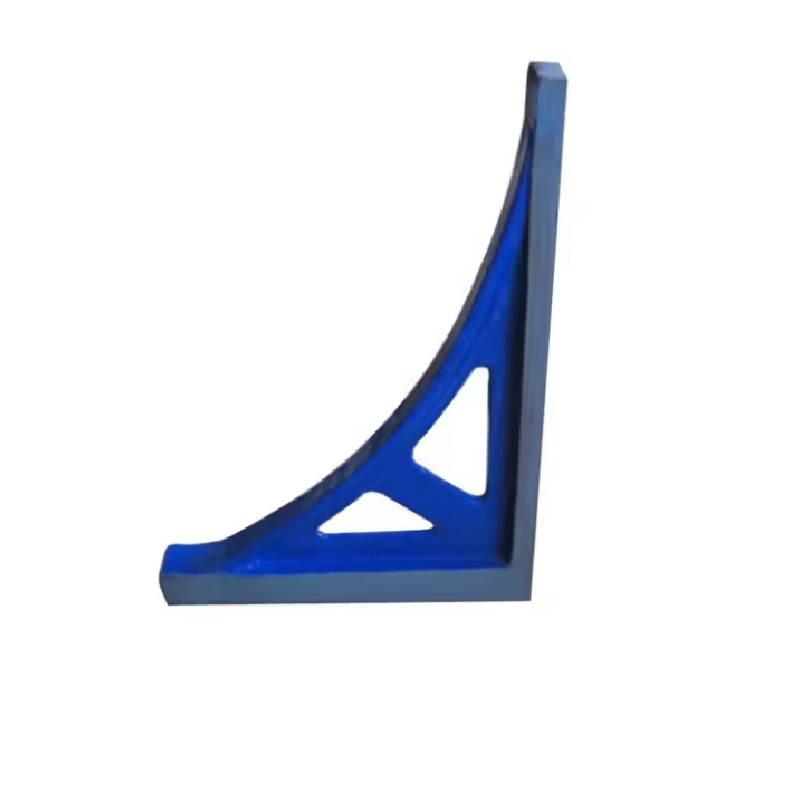
Versatile Stainless Steel Angle Ruler for Precision Measuring and Drafting Tasks
The Versatility of the Metal Angle Ruler When it comes to precision tools in the fields of engineeri
Valve tipleri
Valf Tipleri Endüstriyel Uygulamaların Temel Taşı Valfler, endüstriyel sistemlerin vazgeçilmez parça
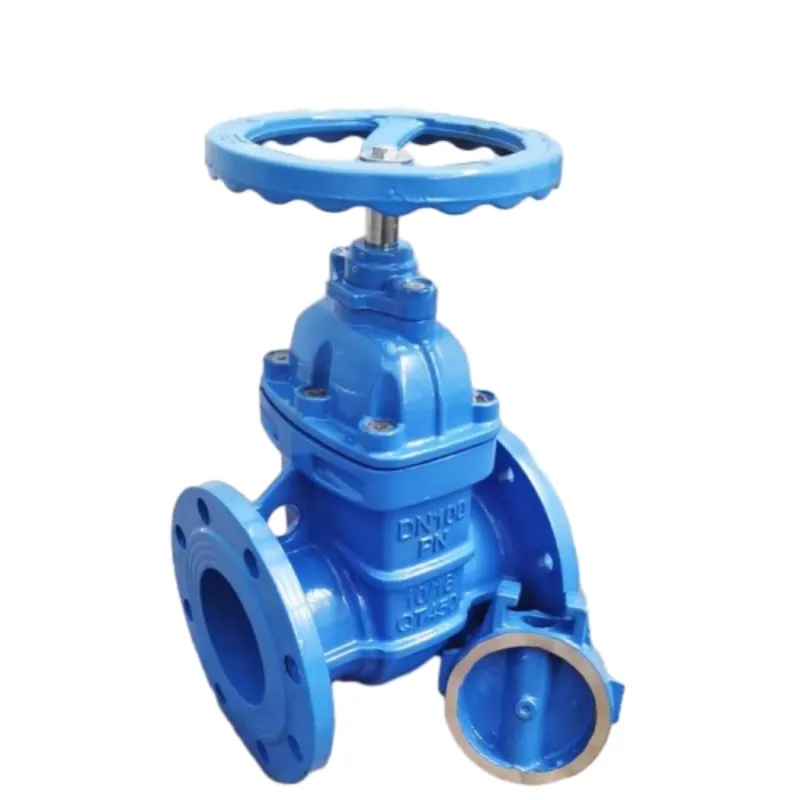
Welding Table for 3x6 Workpieces with Sturdy Construction and Adjustable Design
Welding is a crucial process in many industries, from manufacturing to construction. A proper weldin
 English